What Can and Can’t Go in a Skip? A Simple Guide
If you’re embarking on a home renovation project, garden clearance operation, or building work, skip hire in Biggleswade is certainly one of the best ways of waste disposal. However, many people aren’t quite sure what you can and can’t put in a skip bin. You could end up paying hefty fines or extra costs when you put non-authorised materials in your skip bin, and in some cases, skip hire companies might even refuse to collect your skip. This blog is a quick primer to help you get the best out of your skip hire service.
Everything You Need to Learn About Skip Hire Rules & Regulations
1. Common Wastes That Can Be Deposited in a Skip
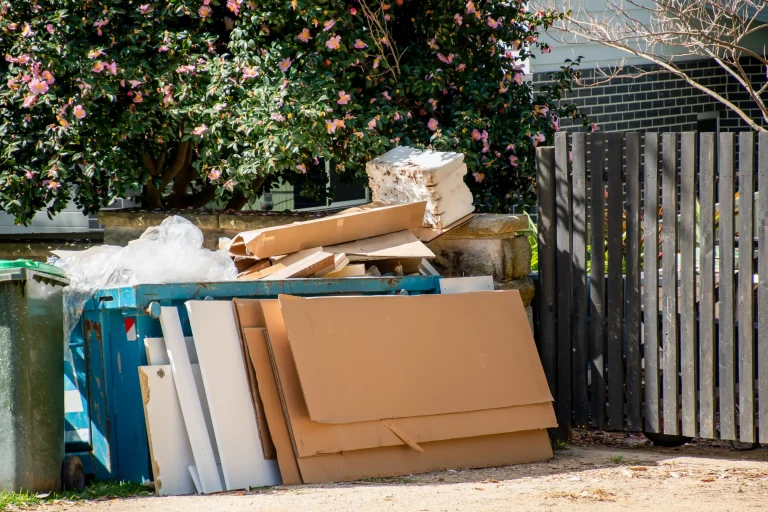
Most skips available for hire are meant for general household and construction materials. When hiring a skip for disposing of materials, you can consider disposing of materials like bricks, rubble, soil, concrete, and stones. These materials get generated during construction activities like building, pavement, or land development. Domestic waste, like used furniture, timber, doors, wardrobes, carpets, and non-electric fittings, can also be deposited. Garden waste, including grass cuttings, leaves, branches, and plants, is usually suitable to be disposed of in a skip.
2. Construction and Renovation Permitted
Skips are particularly common for home renovation jobs. Materials, including plasterboard, tiles, ceramic fixtures, wood, and metal, are generally allowed to be discarded through skip bins. However, skips might have restrictions on plasterboard collections, particularly for recycling purposes. The best and wisest way to avoid this hassle is by enquiring well in advance. If you are carrying out renovation work and hiring a skip, ensure that the heavyweight materials are distributed evenly in the skip.
3. Materials Not for Skipping
There are certain materials that are banned from skips, and these include hazardous materials, including paints, chemicals, and cans containing wet paints, solvents, oils, and even gas bottles. Electrical appliances such as fridges, freezers, TVs, and computers are also prohibited in standard skips. Additionally, tyres, batteries, medical waste, and fluorescent lighting may also be prohibited. Incorrect disposal of these items may lead you to pay fines, so proper alternatives should be sought.
4. Why Few Wastes Are Restricted?
Environmental laws and recycling requirements are one of the major reasons why everything cannot go into the skip bins. Especially, hazardous materials need specialist handling to prevent pollution and protect the workers in waste management. Responsible waste disposal helps reduce landfill use and supports local recycling efforts for customers using skip hire. The majority of restricted items can still be disposed of legally through either local recycling centres or specialist collection services.
5. How to Correctly Use Skip Hire Services?
Always notify your skip hire provider in advance of the waste you intend to get rid of, so that they can recommend the right size and type of skip for your particular waste disposal requirement. Never overfill the skip above the designated waste levels, because this could be unsafe to transport and also illegal. Where possible, break down bulky items to fit more into the skip. Set prohibited items aside so that your skip will be collected on time without additional charges.
In-Depth Knowledge Will Help You Avoid Problems
Knowing what you can and cannot put in a skip makes this process of waste disposal smoother and more economical. This helps ensure that skip hire in Biggleswade works effectively to handle domestic, gardening, or construction waste. By adhering to this blog and partnering with a reputable skip operator locally operational, it is possible to dispose of waste effectively and within line. Most importantly, without costly and time-wasting complications. ABSS Waste Management is the most trusted company offering skip hire services across the city.